

 Knurl Wheels
 Knurl Holders
 Other Products
 Tech Info
Category
Knurling Wheels - Forming and Cutting
Axial Feed Convex Forming Knurls - Inch | ||
|---|---|---|
Inch Pitches (TPI/DP)Hi-Cobalt Steel* |
Inch Dimensions (OD x W x ID) |
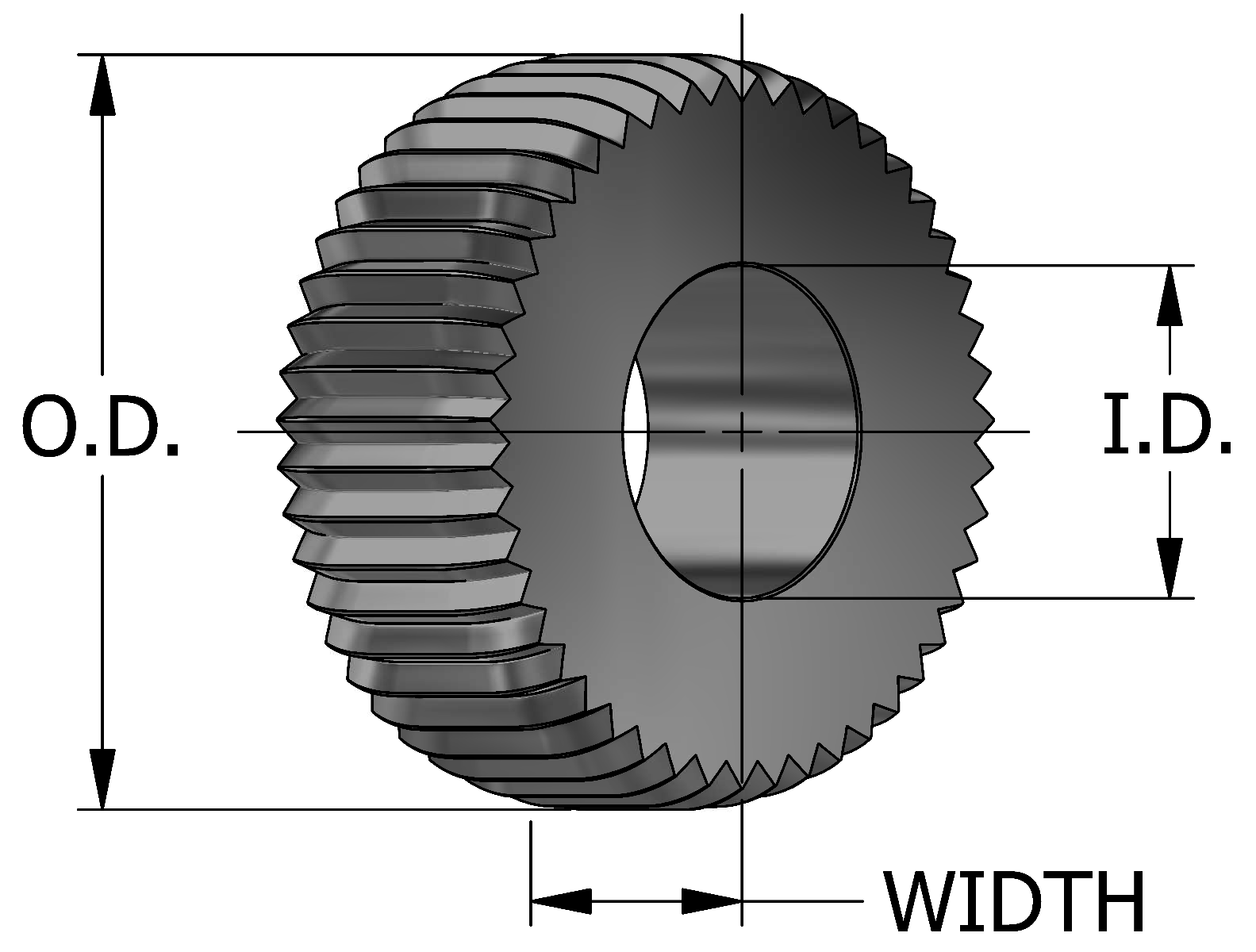 |
Axial Feed Convex Forming Knurls - Metric | ||
|---|---|---|
Metric Pitch (mm)Hi-Cobalt Steel* |
Metric Dimensions (OD x W x ID) |
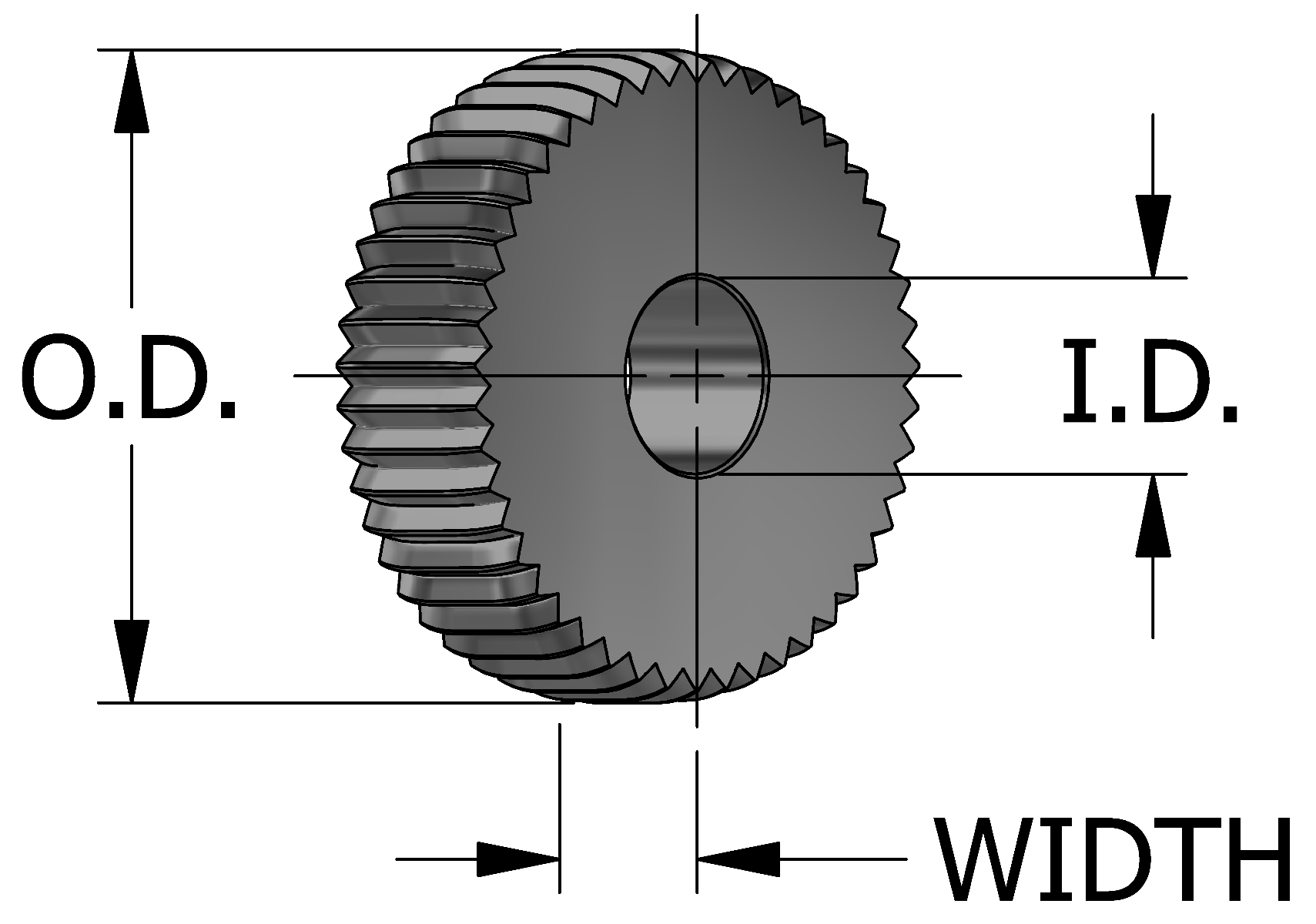 |
|
For conversion to or from Metric/Inch sizes, please click the link below. |
||
Form Type Knurls - Inch | ||
|---|---|---|
Inch Pitches (TPI/DP)High Speed Steel* |
Inch Dimensions (OD x W x ID) |
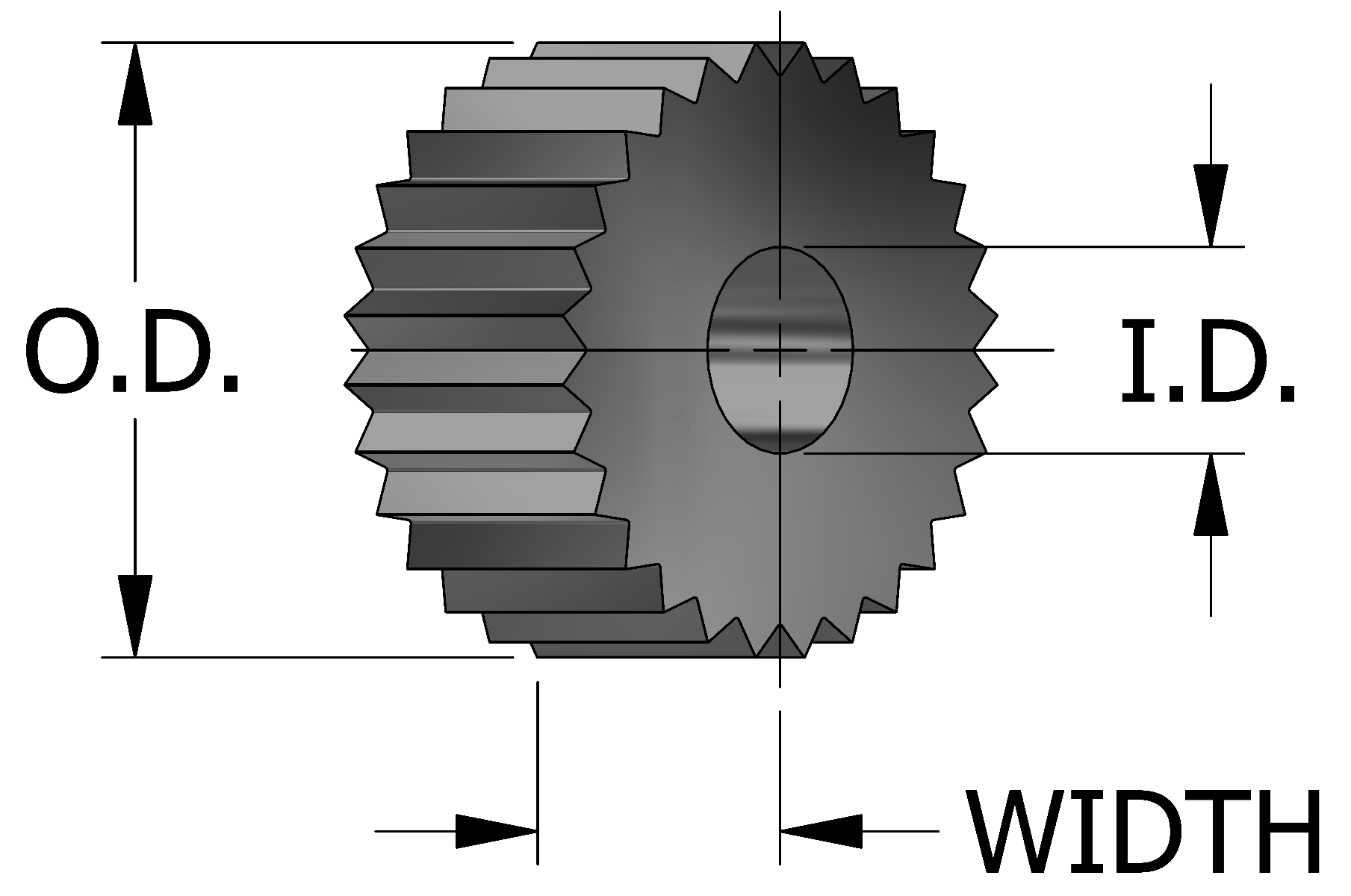 |
| * "Bead blasted Tooth Profile" | ||
Form Type Knurls - Metric | ||
|---|---|---|
Metric Pitches (mm)High Speed Steel* |
Metric Dimensions (OD x W x ID) |
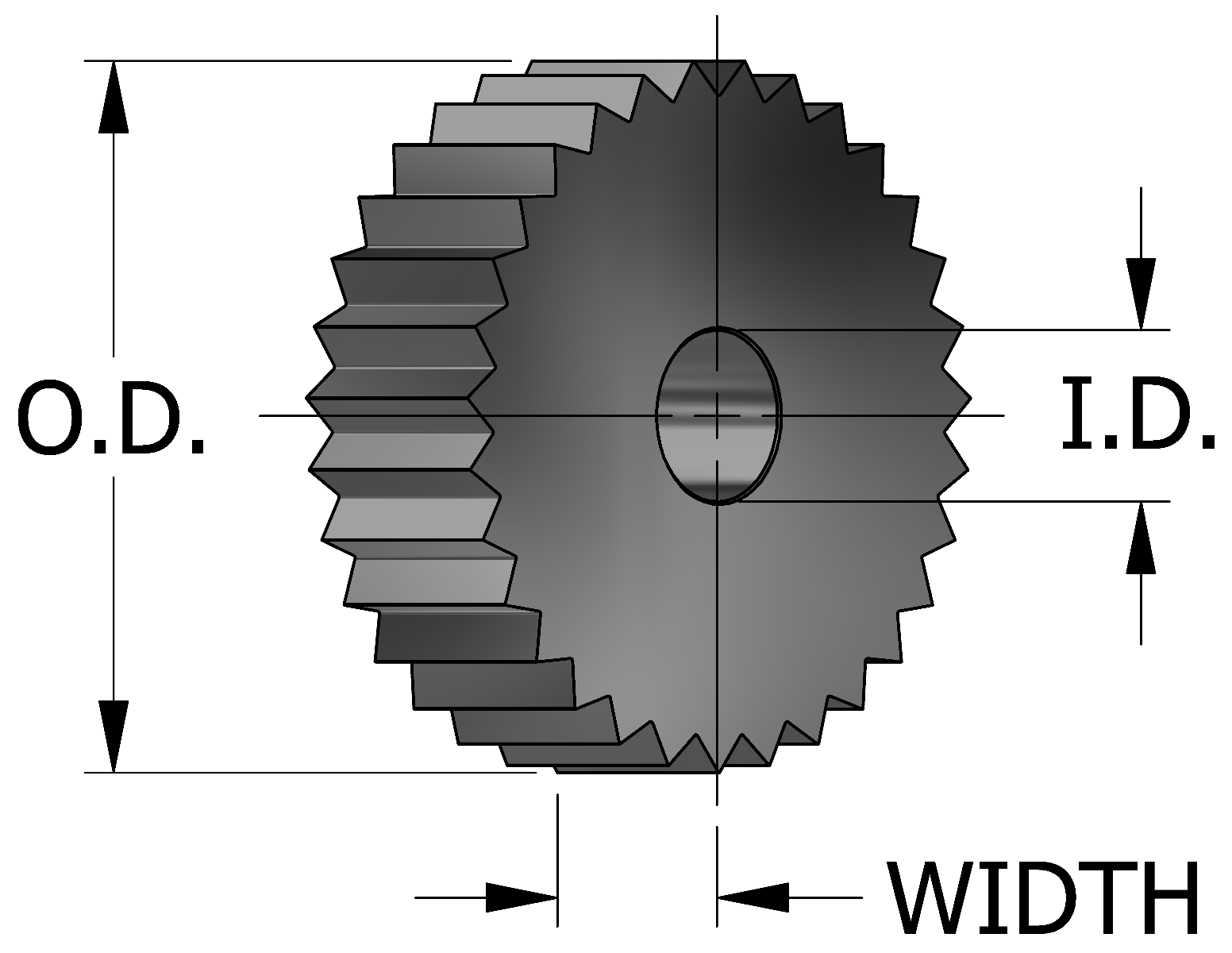 |
| *ML knurls are counterbored for up to a shoulder use. **MB & MU knurls are available in Hi-Cobalt only as stock & available in HSS as special order in quantities. |
||
Cut Type Knurls - Metric | ||
|---|---|---|
Metric Pitches (mm)Hi-Cobalt Steel* |
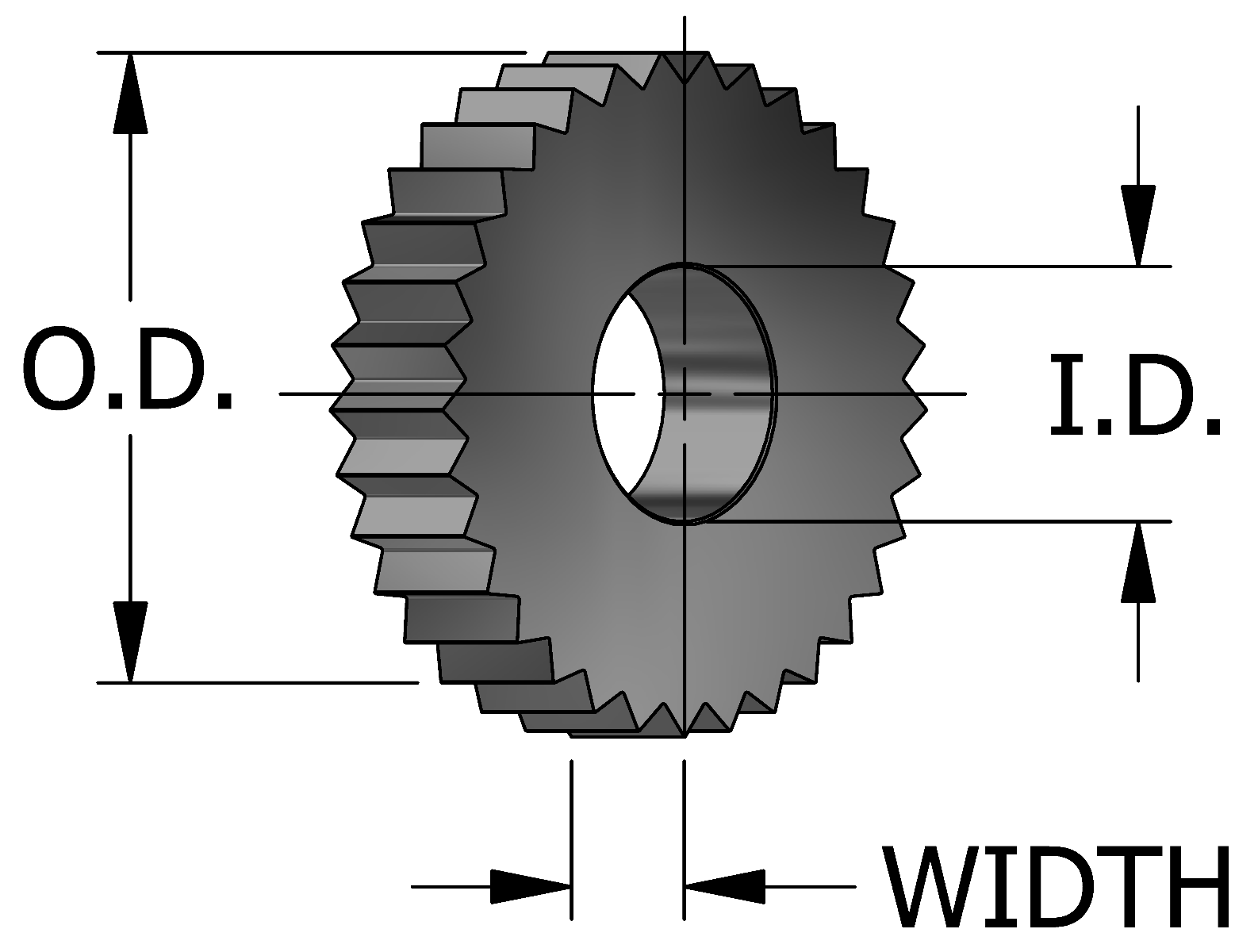
Metric Dimensions (OD x W x ID) |
 |
|
"Cut Type" knurls are designed for use in "Cut Type" holders, but may be used in "Form Type" holders also. Accu Trak's "Cut Type" knurls are made from "Hi-Cobalt" steel and have a "smooth tooth profile". *These wheels have a Lapped/Polished Tooth Profile. |
||
Conical Knurling Wheels | ||
|---|---|---|
|
|
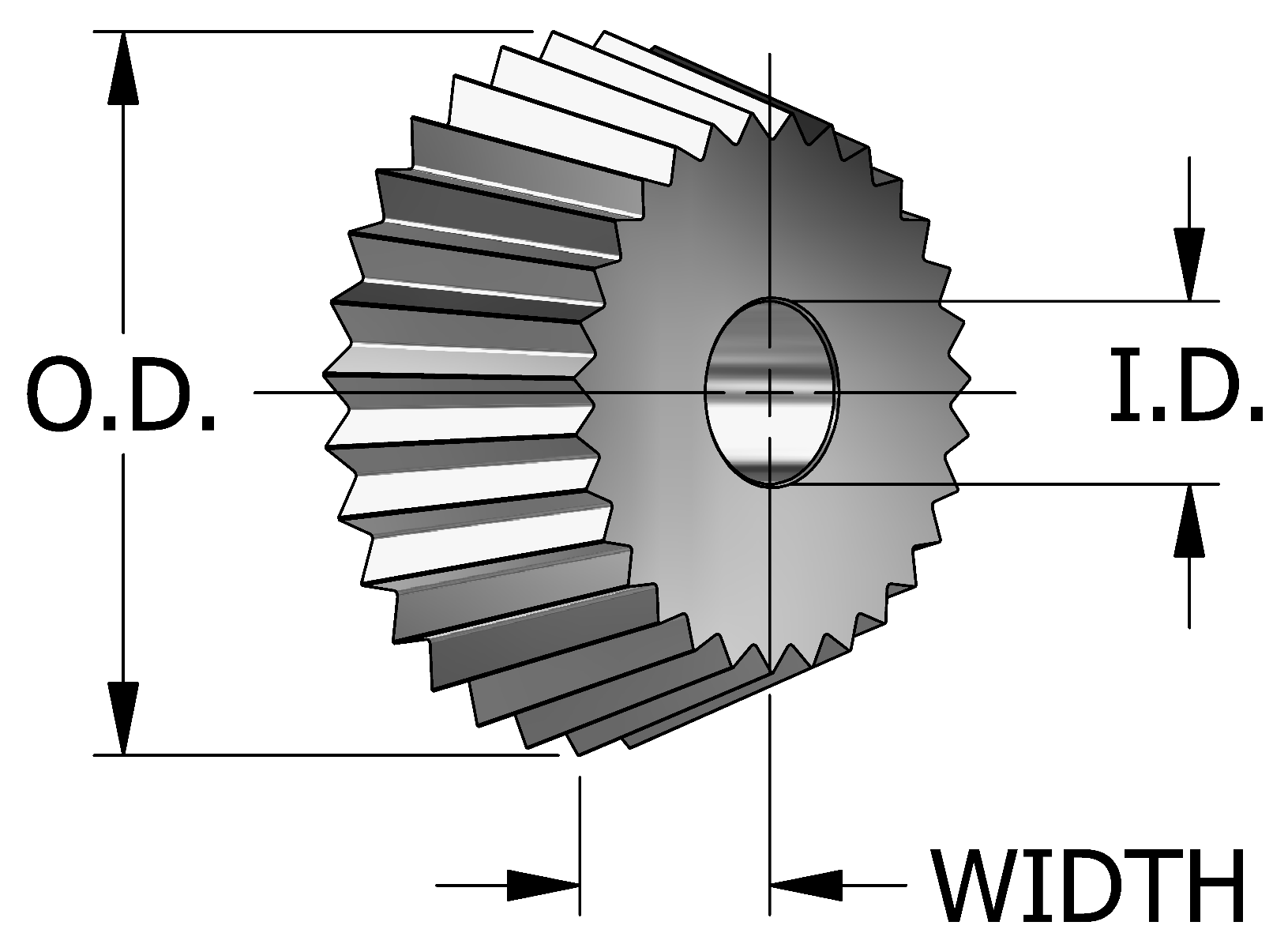
Metric Dimensions (OD x W x ID)
|
 |
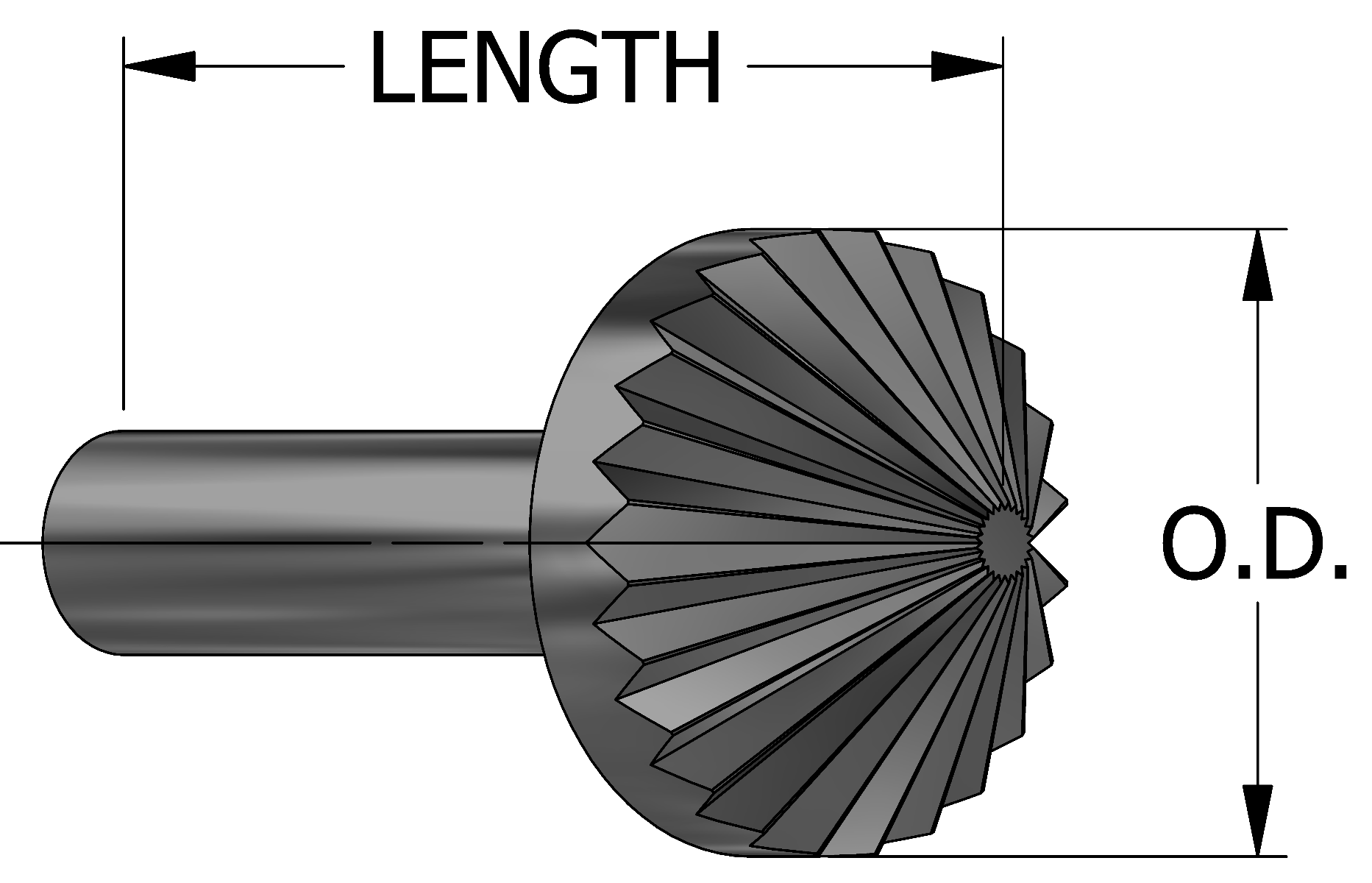
Shank Conical Knurl Dies
| ||
|---|---|---|
|
|
|
 |
Bevel Face Knurls | ||
|---|---|---|
|
|
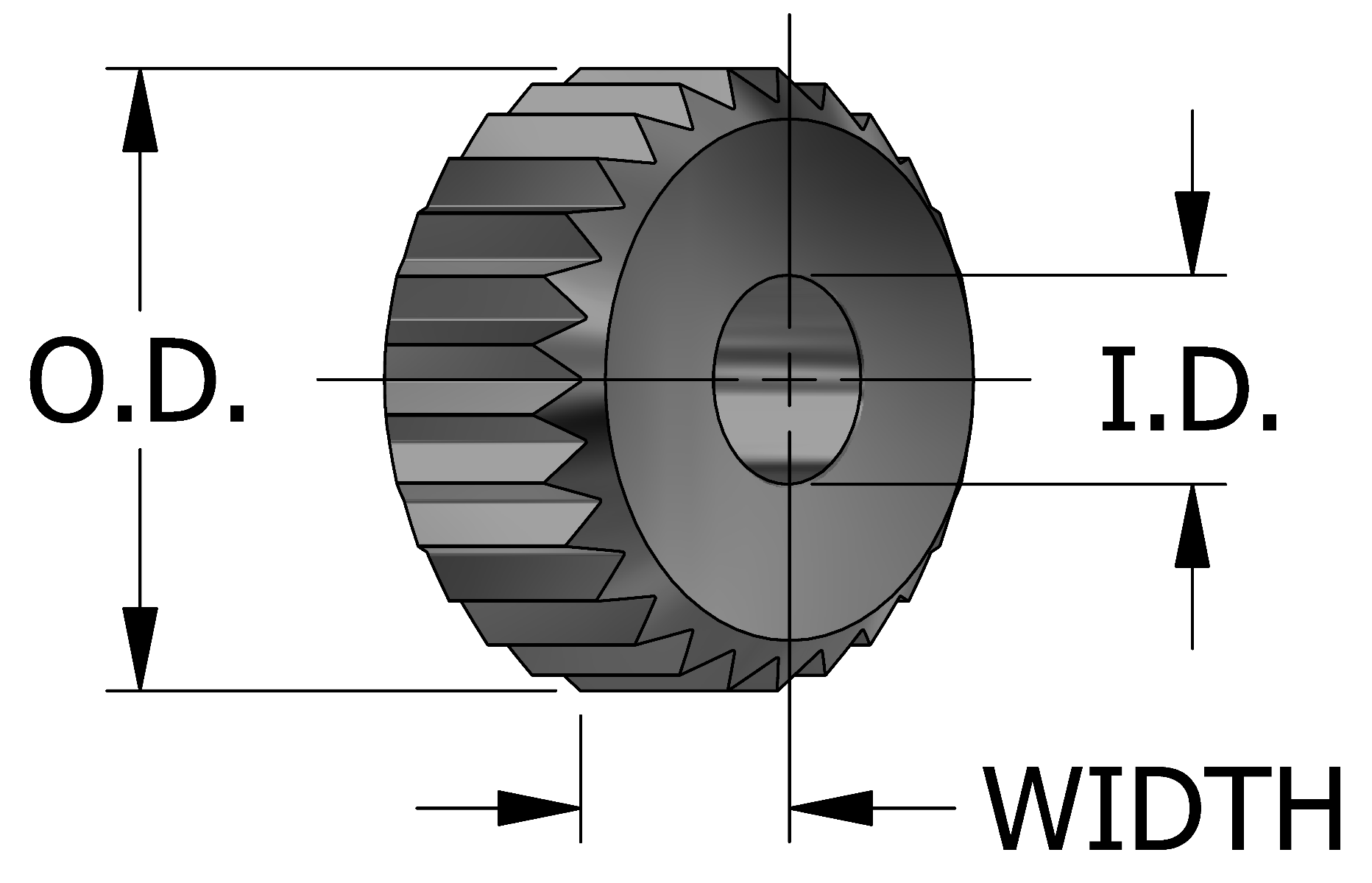
Inch Dimensions (OD x W x ID)
|
 |
*** Pricing and Discount structure are subject to change without notice.
Accu Trak Knurling Tools are manufactured to extremely high standards from premium alloys. Many are available with a lapped tooth form to give longer life and impart a smooth, clean surface to the knurled part. Both sides and the bore of the knurl are finish ground to maintain close tolerance on diameter and side runout. Our standard material is a high quality grade of High Speed steel which is vacuum hardened, and tempered at least 2 times to a hardness of about 63 Rockwell C.
For severe knurling operations, such as rolling on 303 stainless or semi-hardened steels, Accu Trak also offers knurls in a premium grade of high-cobalt steel. These knurling tools are slightly harder and in most applications deliver a substantial increase in tool life. Multiple coatings such as "TiN" and "Ferritic Nitrocarburizing" are also available if necessary. Our sales representatives will be happy to discuss any aspect of your knurling application and make recommendations on maximizing tool life versus cost for any type of knurling operation.
In addition to the many stock knurling dies shown above, we can manufacture virtually any size and pitch special knurling tools with 1-2 week normal delivery for standard knurl tooth forms.


